Compare Local Contractors for Antique Furniture Restoration Projects
Compare local contractors for antique furniture restoration to define scope, verify experience, and establish clear expectations for a successful project.
Antique furniture restoration services typically encompass a range of specialized tasks aimed at preserving, repairing, and enhancing historic or valuable pieces. This work often includes cleaning and surface refinement, repairing or replacing damaged wood components, re-gluing loose joints, and restoring original finishes or applying historically accurate veneers. The goal is to maintain the piece’s character and integrity while ensuring it remains functional and visually appealing. Given the delicate nature of antique furniture, these projects often require a nuanced understanding of traditional techniques and materials to achieve authentic results.
Defining the scope of an antique furniture restoration project is essential for setting clear expectations and ensuring the work aligns with the owner’s intentions. A well-detailed scope helps identify which parts of the piece require repair, whether the focus is on structural stability, aesthetic restoration, or both. It also clarifies the extent of refinishing or conservation efforts, which can significantly influence the outcome. Clearly outlining the work in writing allows property owners to communicate their priorities, prevent misunderstandings, and facilitate informed decisions when comparing different service providers.
When evaluating local contractors for antique furniture restoration, property owners should consider their experience with similar projects and their familiarity with authentic restoration techniques. It’s practical to review the scope of services offered and verify that they can handle the specific needs of each piece. Comparing how contractors define and document the scope of work can reveal their attention to detail and professionalism. Additionally, seeking service providers who are transparent about their process and willing to provide clear, written descriptions of the work helps ensure that expectations are aligned and that the project proceeds smoothly.
Compare local contractors by outlining project priorities, verifying experience, and establishing clear scope and expectations in writing.
- Define Project Scope - Clearly outline the restoration work to ensure mutual understanding with service providers.
- Verify Experience - Confirm that contractors have relevant experience with antique furniture restoration.
- Compare Credentials - Assess the backgrounds and reputations of local contractors before making a choice.
- Document Expectations - Put all project details and agreements in writing to set clear expectations.
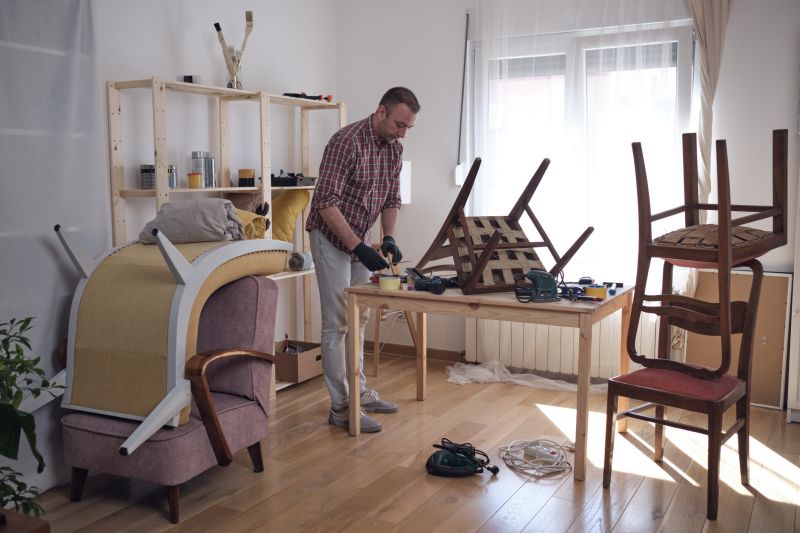
Clearly describe your antique furniture restoration project to help local contractors understand the scope and compare options effectively.
- Verify experience with antique furniture restoration to ensure familiarity with period-specific techniques and materials. - Look for service providers who clearly define the scope of work and restoration methods in writing.
- Compare credentials and references to assess the contractor’s expertise in restoring similar antique pieces. - Ensure the contractor can provide detailed descriptions of past projects relevant to antique furniture.
- Discuss material and finish options to confirm they align with the furniture’s original style and preservation needs. - Make sure the scope of work includes specific restoration processes and expected outcomes.
- Check if the service provider offers detailed written estimates outlining the work to be performed. - Clarify the extent of restoration and any potential limitations or exclusions in the scope of work.
- Review the contractor’s communication style and responsiveness to gauge their professionalism and attention to detail. - Confirm that all expectations and project details are documented before proceeding.
Compare local contractors’ experience and clarify project scope to ensure your antique furniture restoration meets expectations.
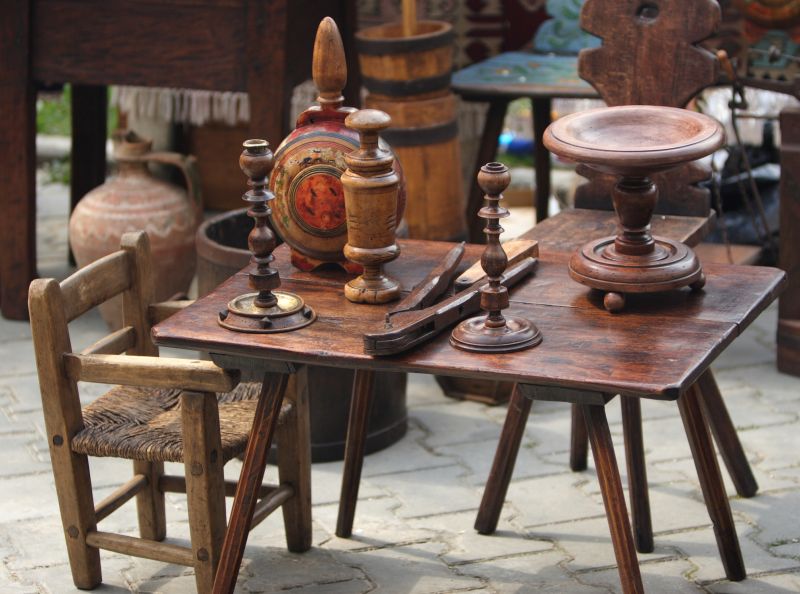
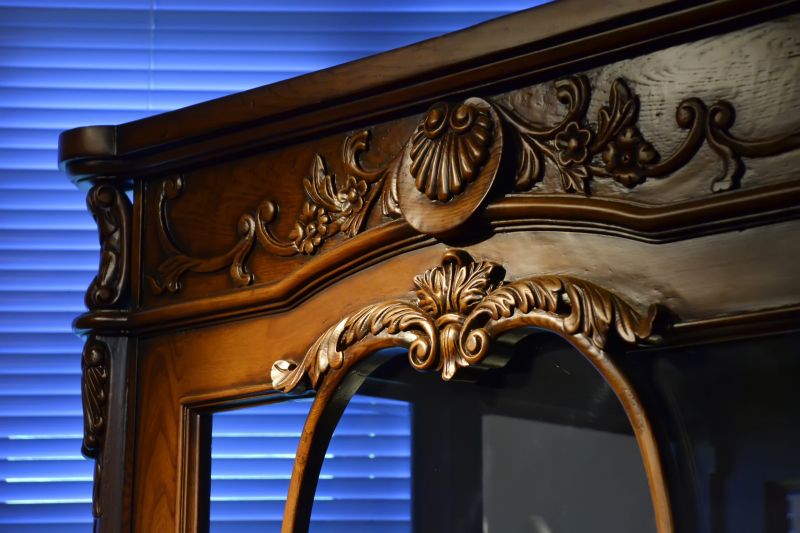

A clear scope and consistent comparison criteria help ensure you find experienced local contractors who meet your restoration needs.
- Experience and Expertise - Identify service providers with demonstrated experience in antique furniture restoration to ensure quality workmanship.
- Scope Definition - Clearly outline the specific restoration tasks needed to establish the project’s scope with potential contractors.
- Material and Technique Knowledge - Verify that contractors are knowledgeable about appropriate materials and restoration techniques for antique pieces.
- Communication and Documentation - Ensure that all project details, expectations, and scope are documented in writing for clarity and accountability.
- Comparison of Service Providers - Evaluate multiple local contractors based on experience, scope approach, and communication to find the best match for the project.
When comparing contractors for antique furniture restoration, it is essential to evaluate their experience with similar projects. Look for service providers who have a proven track record working specifically with antique pieces, as this indicates familiarity with traditional techniques and the unique challenges these items present. Inquire about the types of furniture they have restored and request examples of past work relevant to your piece. An experienced contractor will understand the nuances of antique materials, finishes, and construction methods, helping ensure your furniture is handled with appropriate care.
A clear, written scope of work is a vital component in choosing a contractor. The scope should outline the specific restoration tasks to be performed, such as cleaning, repairing, refinishing, or reupholstering, along with any materials or techniques to be used. Having these details documented helps set expectations and provides a basis for evaluating the completeness of the proposed work. It also serves as a reference point to confirm that both parties agree on what will be done, reducing potential misunderstandings later in the process.
Verification basics are fundamental when assessing potential service providers. Confirm that the contractor can provide references or examples of completed projects similar to yours. Ask about their process for assessing the condition of antique furniture and ensuring the preservation of its value. Additionally, verify that they follow industry best practices for restoration, including appropriate handling of delicate materials. Gathering this information helps ensure that the selected contractor has the necessary expertise and a reputable approach to antique furniture restoration.
Evaluating options without focusing on prices involves examining how well each contractor’s approach aligns with your expectations and needs. Consider the clarity of their communication, the thoroughness of their written scope, and their experience with similar projects. Pay attention to how they articulate their process, the materials they plan to use, and their attention to preserving the furniture’s integrity. Comparing these factors can help identify service providers who are capable of delivering quality restoration work, ensuring that the chosen contractor can meet your standards for your antique furniture.
Request written scope and details to ensure clear expectations and consistent understanding among service providers.
- Experience with Antique Furniture - What specific experience do local contractors have working with antique furniture restoration projects?
- Scope of Restoration Services - How do contractors define and outline the scope of work involved in restoring antique pieces?
- Materials and Techniques - What materials and restoration techniques do local service providers typically use to preserve antique integrity?
- Work Process and Expectations - How do contractors communicate their work process and set clear expectations in writing for antique restoration?
- Comparing Contractor Expertise - What criteria can be used to compare the experience and specialization of different local contractors for antique furniture restoration?
What should I consider when choosing a contractor for antique furniture restoration? It's important to review their experience with similar projects, verify their reputation, and ensure they understand the specific needs of antique pieces. Comparing multiple service providers can help identify who best matches the scope of work required.
How can I define the scope of my antique furniture restoration project? Clearly outline the repairs, refinishing, or preservation tasks needed and communicate these details to potential contractors. A detailed scope helps ensure all parties have aligned expectations and reduces misunderstandings.
What questions should I ask to verify a contractor’s experience with antique furniture? Inquire about their past projects involving similar items, request examples of completed restorations, and ask how they approach preserving the integrity of antique pieces. Experience in this niche is key to quality results.
Why is it important to get the scope of work in writing? Having a written agreement clarifies the work to be performed, sets expectations, and provides a reference point for any future discussions or disputes, ensuring transparency between the client and contractor.
How can I compare different antique furniture restoration service providers? Review their portfolios, ask about their approach to preservation, understand their process, and gather references or reviews from previous clients. Comparing these factors helps identify which contractor aligns with project needs.
What should I look for in a contractor’s reputation for antique furniture restoration? Seek out testimonials, reviews, or references that highlight their reliability, attention to detail, and respect for the craftsmanship involved in restoring valuable or delicate pieces.
This overview highlights the importance of understanding the scope of antique furniture restoration projects, verifying the experience of local contractors, and establishing clear expectations in writing. By comparing different service providers, visitors can better assess which local contractors align with their specific needs and preferences. Utilizing the quote form allows for easy comparison of options, helping to identify the right professionals for the job.
Taking the time to define project details, review contractor experience, and clarify expectations can lead to a more informed decision-making process. Using the quote form provides a straightforward way to explore and compare local service providers who specialize in antique furniture restoration. This approach supports making a well-informed choice tailored to individual project requirements.